

Product Overview
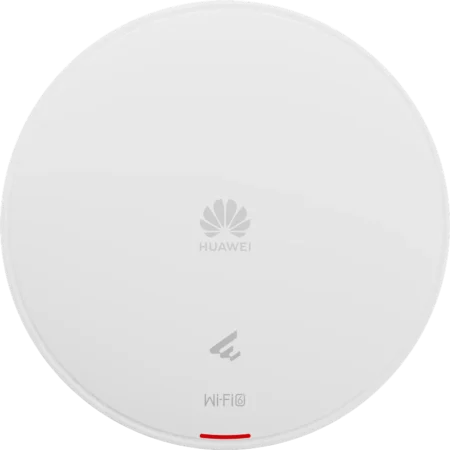
Huawei eKitEngine AP362 is a Wi-Fi 6 (802.11ax) wall plate access point (AP). It can simultaneously provide services on 2.4
GHz (2×2 MIMO) and 5 GHz (2×2 MIMO) frequency bands, achieving a device rate of up to 2.975 Gbps. This AP features high
bandwidth and high concurrency with compact size, facilitating flexible deployment and saving customers’ investment. These
strengths make the AP362 ideal for indoor coverage scenarios of small and medium-sized enterprise offices, hospitals, and
higher education.
Dual-radio mode: 2.4 GHz (2×2 MIMO) + 5 GHz (2×2 MIMO), achieving rates of up to 575 Mbps and 2.4 Gbps,
respectively, and 2.975 Gbps for the device.
1 x GE electrical port.
Built-in smart antennas to provide precise coverage for STAs, reduce interference, and improve signal quality.
Supports the Fat, Fit, leader, and cloud working modes.
Feature Descriptions
Wi-Fi 6 (802.11ax) standard
As the latest generation Wi-Fi standards of IEEE 802.11, 802.11ax improves user experience in high-density access
scenarios and supports 2.4 GHz and 5 GHz frequency bands.
MU-MIMO on both the 2.4 GHz and 5 GHz frequency bands, allowing an AP to transmit data to and receive data from
multiple STAs simultaneously and multiplying the utilization of radio spectrum resources.
1024-QAM modulation, improving data transmission efficiency by 25% compared with 802.11ac (256-QAM).
OFDMA scheduling enables multiple users to receive and send information at the same time, reducing latency and
improving network efficiency.
Spatial reuse (SR) technology uses basic service set (BSS) coloring to enable APs and STAs to distinguish BSSs,
minimizing co-channel interference.
The target wake time (TWT)* allows APs and STAs to negotiate the sleep and wake time with each other, thereby
improving the battery life of the STAs.
The function and features marked with * can be implemented through software upgrade. The following describes are the
same.
MU-MIMO
The AP supports MU-MIMO and supports a maximum of four spatial streams, two spatial streams at 2.4 GHz (2×2 MIMO) and
two spatial streams at 5 GHz (2×2 MIMO). The MU-MIMO technology enables an AP to send data to multiple STAs
simultaneously, which doubles the radio spectrum resource usage, increases the number of access users and bandwidth, and
improves user experience in high-density access scenarios.
High-speed access
The AP supports 160 MHz frequency bandwidth, which increases the number of available data subcarriers and expands
transmission channels. In addition, the AP uses 1024-QAM modulation and MU-MIMO to achieve a rate of up to 0.575 Gbps at
2.4 GHz radio, 2.4 Gbps at 5 GHz radio, and 2.975 Gbps for the device.
High Density Boost technology
Huawei uses the following technologies to address challenges in high-density scenarios, including access problems, data
congestion, and poor roaming experience:
SmartRadio for air interface optimization
2
Huawei AP362 Access Point Datasheet
Load balancing during smart roaming: The load balancing algorithm enables load balancing detection between APs on the
network after STA roaming to adjust the STA load on each AP, improving network stability.
Intelligent dynamic frequency assignment (DFA) technology: The DFA algorithm is used to automatically detect adjacent
channel and co-channel interference, and identify any redundant 2.4 GHz radios. Through automatic inter-AP negotiation, a
redundant radio is automatically switched to another mode (dual-5G AP models support 2.4G-to-5G switchover) or is disabled to
reduce 2.4 GHz co-channel interference and increase the system capacity.
Intelligent conflict optimization technology: Dynamic enhanced distributed channel access (EDCA) and airtime scheduling
algorithms are used to schedule the channel occupation time and service priority of each user. This ensures that each user is
assigned a relatively equal amount of time for using channel resources and user services are scheduled in an orderly manner,
improving service processing efficiency and user experience.
Air interface performance optimization
In high-density scenarios where many users access the network, increased number of low-rate STAs consumes more
resources on the air interface, reduces the AP capacity, and lowers user experience. Therefore, Huawei APs will check the
signal strength of STAs during access and rejects access from weak-signal STAs. At the same time, the APs monitor the rate of
online STAs in real time and forcibly disconnect low-rate STAs so that the STAs can reassociate with APs that have stronger
signals. The terminal access control technology can increase air interface use efficiency and allow access from more users.
5G-prior access (band steering)
The APs support both 2.4 GHz and 5 GHz frequency bands. The 5G-prior access function enables an AP to steer STAs to
the 5 GHz frequency band first, which reduces load and interference on the 2.4


Huawei eKitEngine AP362 Access Point
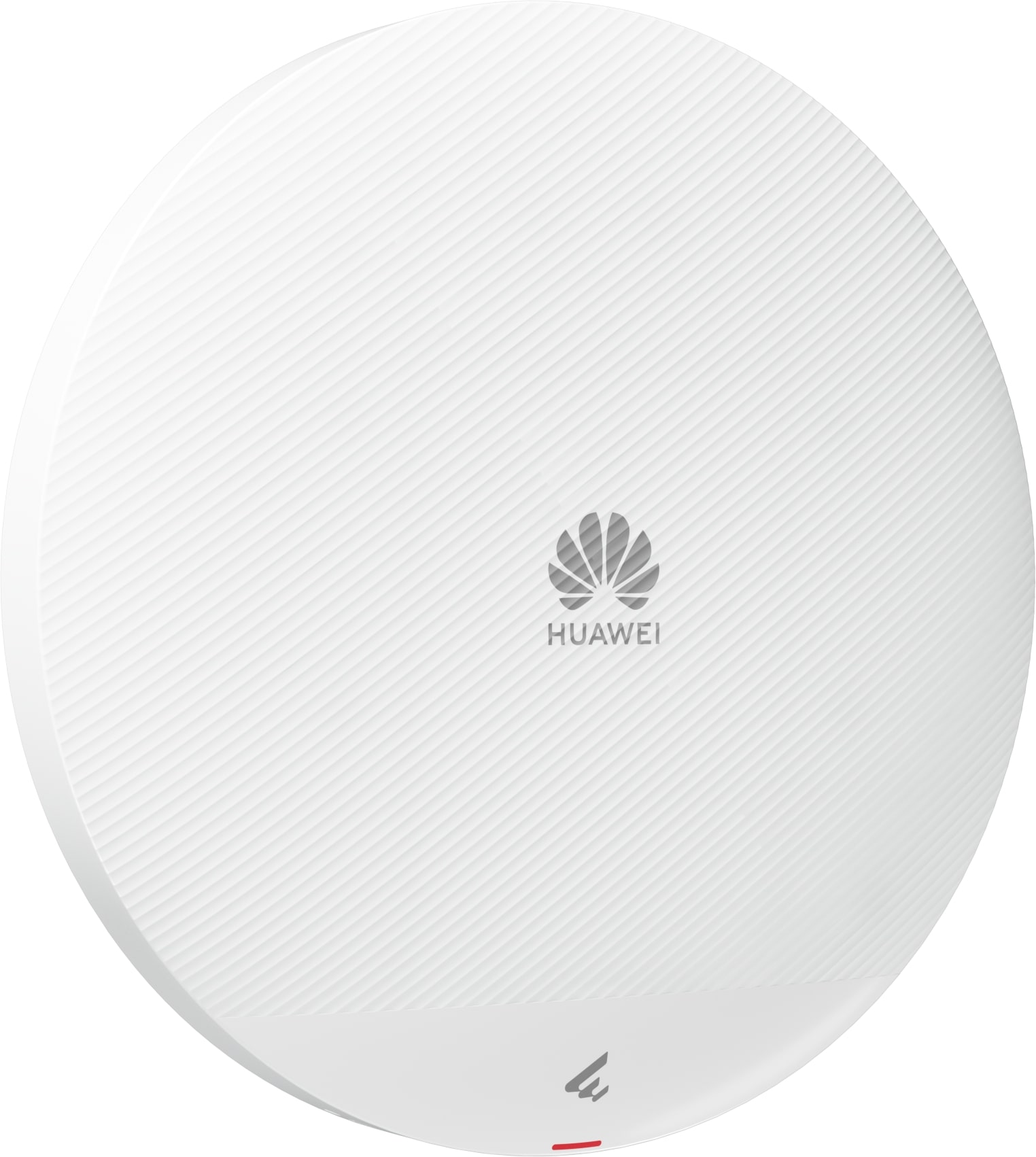
Huawei eKitEngine AP362 is a Wi-Fi 6 (802.11ax) wall plate access point (AP). It can simultaneously provide services on 2.4
GHz (2×2 MIMO) and 5 GHz (2×2 MIMO) frequency bands, achieving a device rate of up to 2.975 Gbps. This AP features high
bandwidth and high concurrency with compact size, facilitating flexible deployment and saving customers’ investment. These
strengths make the AP362 ideal for indoor coverage
EGP4,250.00
Buy Now
Reviews
There are no reviews yet.